
The Starting Point
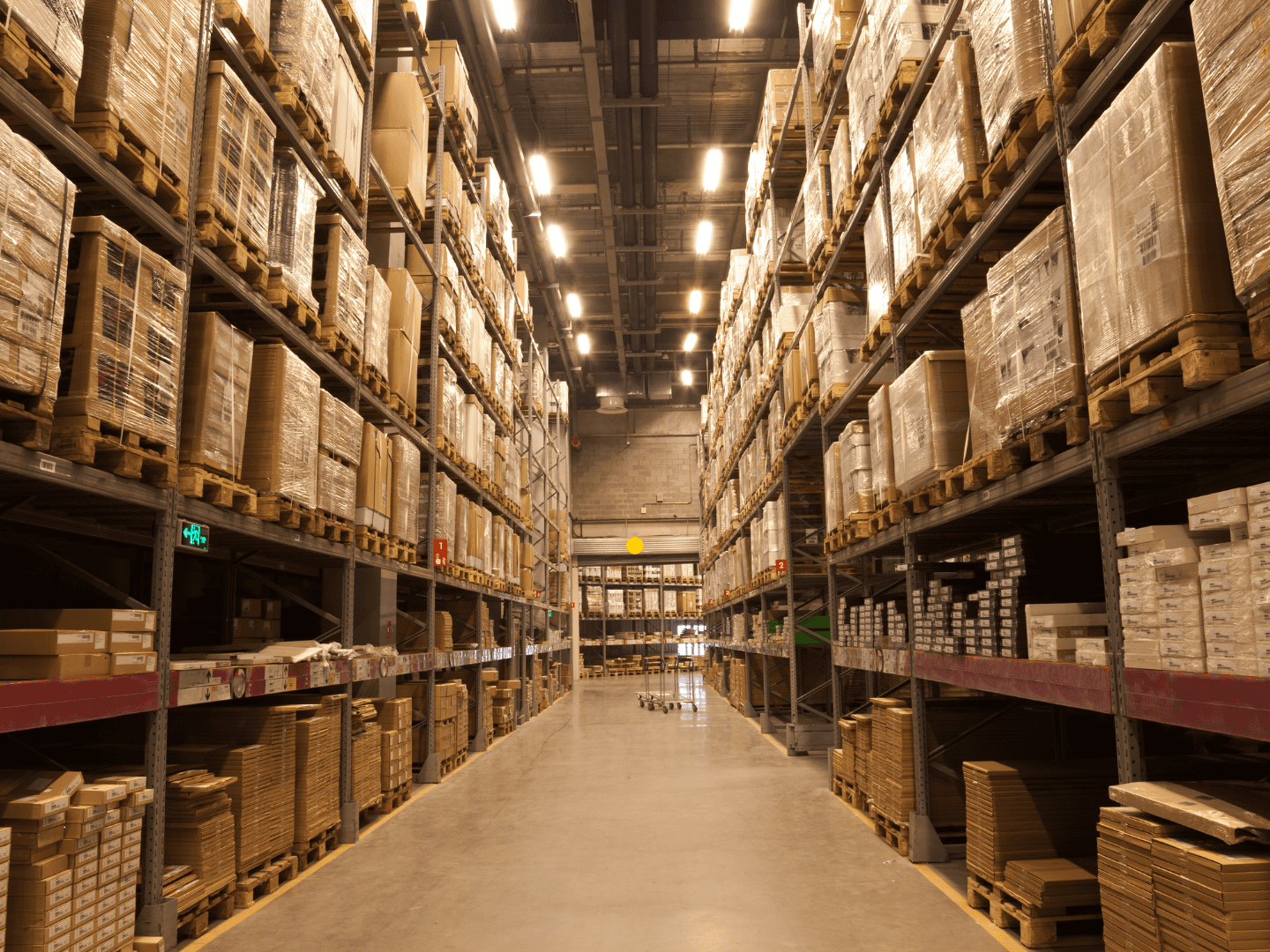
A leading webshop in the Netherlands was growing rapidly — but its warehouse was not keeping pace. Items frequently bought together were scattered across racks, leading to delays, unnecessary labor, and missed sales. Inventory forecasting was equally chaotic. With shipping times stretching up to three months, the team often found themselves ordering too much of one product and too little of another. Seasonal demand swings, supplier constraints, and promotional campaigns only added to the complexity.
The business wasn’t short on data — it had years of purchase histories, supplier timelines, and customer behavior. What it lacked was a way to turn that raw information into clear, reliable decisions.
The Challenge
Every wrong inventory call had a ripple effect. Overstocking meant money tied up in idle goods and wasted warehouse space. Understocking led to disappointed customers and lost revenue. Employees spent hours rearranging racks and guessing what to restock, rather than focusing on delivering value to customers. The warehouse had become less of a growth engine and more of a bottleneck.
The Turning Point
That’s when Syntheticaire stepped in. Together with the webshop’s operations team, we built an AI-powered inventory optimization system. The model connected directly with historical order data and real-time warehouse activity, analyzing consumption patterns and identifying correlations between items often bought together.
Instead of manual guesswork, the AI could forecast:
- What to order, how much, and when — taking into account the three-month shipping window.
- Which products belonged closer together in the warehouse to speed up picking.
- Seasonal and promotional demand surges, learned from past trends.
- Correlated consumption (if customers bought product A, they often bought product B within weeks).
Built for Trust and Reliability
Because data privacy was a top concern, we designed the system with flexible deployment options. Depending on the client’s needs, the AI could run entirely within their own servers, or in a private cloud environment.
We also set up quality control and MLOps pipelines to ensure the model never went “stale.” Continuous monitoring and periodic retraining keep forecasts sharp, even as customer behavior shifts. Unlike traditional software, AI learns from living data — and that means staying adaptive is key.
The Outcome
Within months, the webshop saw measurable improvements:
- Faster order fulfillment thanks to rack reorganization guided by consumption correlations.
- Reduced stockouts and fewer disappointed customers.
- Lean inventory levels — capital freed up from overstocking was reinvested into marketing and new product lines.
- Employee relief — staff could focus on customer experience instead of firefighting warehouse chaos.
Looking Ahead
This was more than just fixing a warehouse problem. It gave the webshop a scalable foundation for future growth. As new products are added and demand patterns evolve, the AI system adapts, ensuring decisions stay data-driven and precise.
Let’s Explore What’s Possible
If your business feels trapped between rising demand and operational chaos, you don’t have to settle for guesswork. At Syntheticaire, we help companies like yours transform data into clarity, control, and growth. Let’s explore what’s possible together.